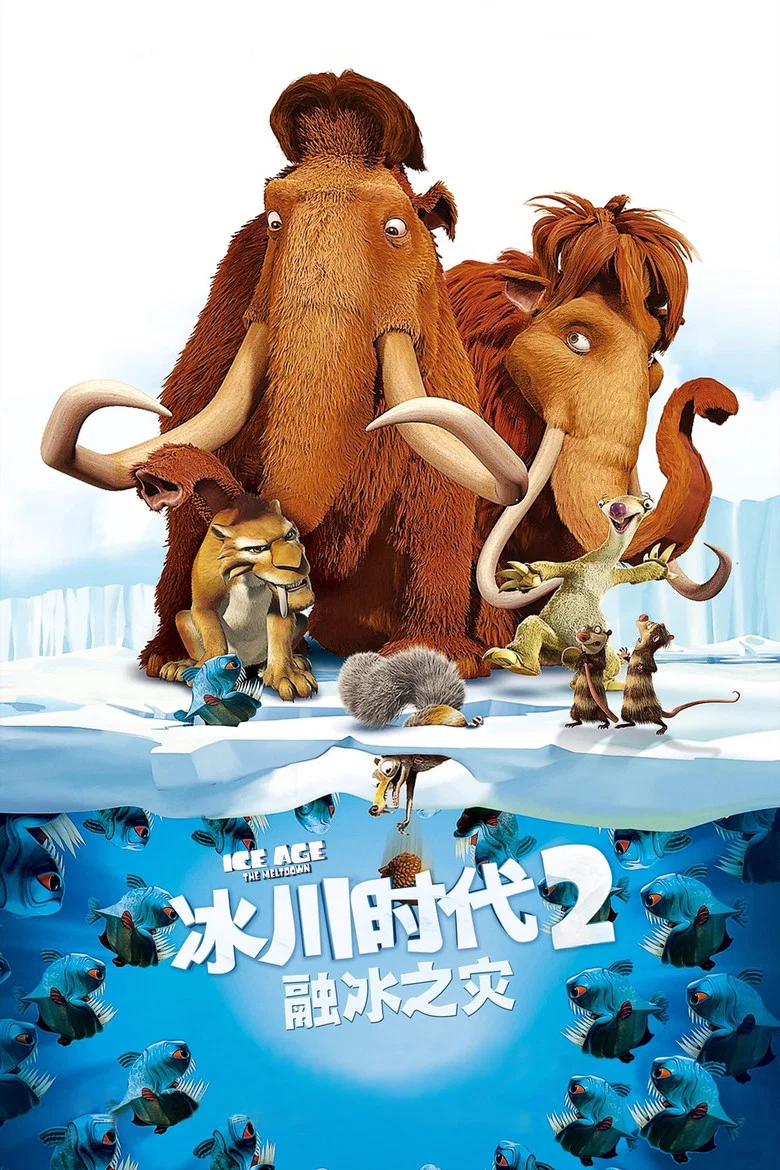
Ice Age: The Meltdown
2006PG-1391 min
6.7

Deep Dive FAQ & Ending Explained

· Ice Age: The Meltdown
Directed by: Carlos Saldanha
Back to Film Hub

Authoritative FAQ and ending breakdown for Ice Age: The Meltdown (2006). Unraveling climax meanings, thematic timelines, moral dilemmas, and narrative symbolism.

Related Queries:#Ice Age: The Meltdown ending explained#Ice Age: The Meltdown FAQ#Ice Age: The Meltdown plot explained#Ice Age: The Meltdown timeline

Core Narrative Questions & Explanations

4 Analytical Questions Addressed
Q1

What does the ending of Ice Age: The Meltdown truly signify?

The climax unites intimate emotional conviction with thematic resolution, confirming that the protagonist's ultimate sacrifice transcends individual survival into collective human redemption.

Q2

How is the central inciting conflict ignited?

The dramatic momentum stems from an irreversible external crisis colliding with internal moral convictions, compelling the lead ensemble into an unprecedented journey.

Q3

How is the narrative timeline and causal continuity structured?

The screenplay employs multi-threaded cross-cutting where asynchronous subjective experiences converge at the climactic turning point, creating a structurally cohesive narrative loop.

Q4

What underlying philosophical themes and visual symbols permeate the film?

Recurring motifs of contrast, solitude, and spatial scale emphasize the enduring triumph of human resilience over existential bleakness.

Narrative Journey & 6-Act Arc Alignment

To fully grasp the resonance of Ice Age: The Meltdown (Ice Age: The Meltdown), the climax must be understood within the wider context of classical 6-act dramatic architecture. Every subtle thematic foreshadowing in the early acts converges to deliver the powerful narrative payoff.

Cinephile Discourse & Scholarly Analysis

Film scholars and cinephiles around the world continue to analyze the rich layers of Ice Age: The Meltdown. Join the discussion on the primary film dossier to contribute your critical observations.